Backups are not just for tech people. They are for households that want peace of mind when a device breaks, a login is compromised, or something important gets deleted by mistake. World Backup Day is a day for people to learn about the increasing role of data in our lives and the importance of regular […]
The post How To Create a Digital Backup Plan appeared first on MCSnet.
]]>
Backups are not just for tech people. They are for households that want peace of mind when a device breaks, a login is compromised, or something important gets deleted by mistake.
World Backup Day is a day for people to learn about the increasing role of data in our lives and the importance of regular backups. Held every year on March 31, it is a reminder to protect the photos, files, and accounts we rely on daily. The idea is simple: backups help you recover from lost phones, broken laptops, accidental deletes, and even data theft.
According to the independent World Backup Day site, 21% of people have never made a backup, 113 phones are lost or stolen every minute, 29% of data loss cases are caused by accident, and 10%–20% of consumer PCs encounter malware in a given year. These are the main reasons why regular backups matter.
Most households do not need an IT-level setup. You need a repeatable routine that covers the things that would hurt to lose: family photos, school or work files, important documents, and account access.
This guide from MCSnet gives you a household-friendly backup plan that is simple, realistic, and strong enough to cover the most common “oh no” moments.
The one backup rule worth remembering: 3-2-1
The 3-2-1 backup strategy means:
- Keep 3 copies of your important data
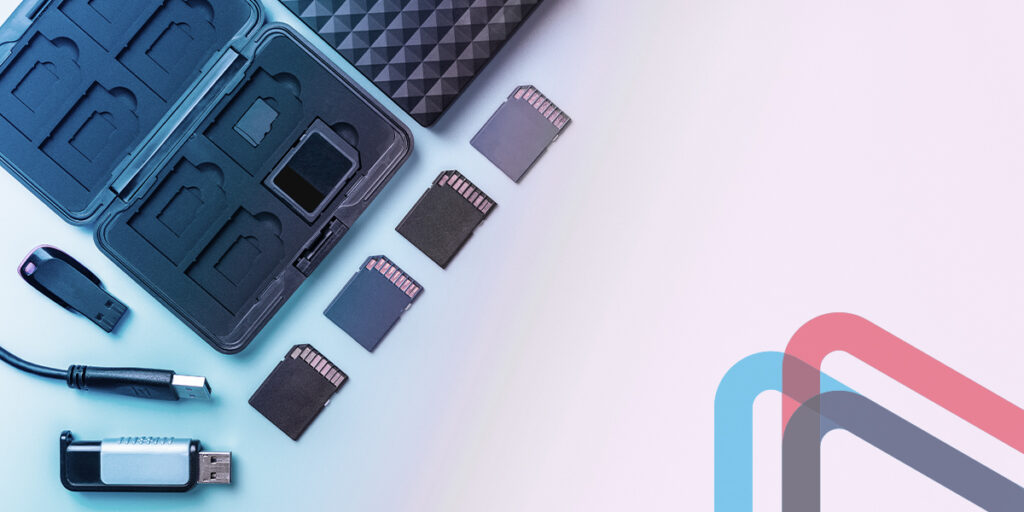
- Store them on 2 different types of storage
- Keep 1 copy off-site (not in your home)
For most households, “off-site” simply means cloud storage. It protects you even if something happens to your home, your devices, or your external drive.
What 3-2-1 looks like for a normal family
- Copy 1 (everyday): your phone or computer
- Copy 2 (local): an external hard drive or a second computer at home
- Copy 3 (off-site): cloud backup
This is enough for most households to recover quickly from device loss, accidental deletion, and hardware failure.
Step-by-step: Set up a simple home backup system
Step 1: Protect your photos and videos first
Family photos and videos are usually the most valuable and the hardest to replace. The best approach is automatic backup so you do not have to remember.
If your household uses iPhones, enable iCloud Photos sync so photos and videos are stored in iCloud and stay available across devices.
If your household uses Android, enable Google Photos backup and choose which folders on your device should be included (camera roll, screenshots, downloads, and so on).
Practical tip: set photo backups to run on Wi-Fi so you avoid using mobile data and so uploads happen steadily in the background.
Step 2: Back up your important documents like you would protect your wallet
Households typically scatter important documents across email attachments, random folders, and phones. That is why they disappear.
Create one simple “Important Documents” folder and keep only essentials there:
- IDs and passports (scans)
- taxes and T4s
- home and auto insurance
- warranties and major receipts
- medical forms you may need quickly
- school records
Then back up that folder in two ways:
- Cloud (off-site copy)
- External drive (local copy)
You do not need to overcomplicate it. You just need your important documents to be easy to find and easy to restore.
Step 3: Back up your computers on a schedule
Photos are not the only risk. Laptops often hold school files, work projects, invoices, and years of small but important documents.
A household-friendly schedule:
- Weekly backup to an external drive
- Always-on cloud sync for key folders like Documents, Desktop, or a “Work and School” folder
If you work from home or run a small business, consider daily backups for your most important folders.
Step 4: Back up access, not just files
Backups fail when people cannot log in.
At minimum, protect your “account recovery chain,” starting with email:
- Turn on two-factor authentication where possible
- Save recovery codes somewhere safe (not only on the device you might lose)
- Avoid reusing passwords
This is not just security advice. It is backup advice. If you lose your email access, recovering everything else becomes much harder.

How often should a household back up
World Backup Day itself emphasizes that a good backup plan is continuous and layered, not a one-day activity.
A simple household rhythm looks like this:
- Daily: automatic phone photo backup
- Weekly: computer backup to external drive
- Ongoing: cloud sync for your most important folders
Common backup mistakes to avoid
The biggest household backup mistakes are predictable:
- Only having one copy (no backup at all)
- Backing up to a drive that is always plugged in (it can fail at the same time as the computer)
- Assuming cloud sync equals backup for every situation
- Not testing a restore even once
- Keeping everything scattered so nothing is easy to recover
The fix is not complicated. You just need a simple system and one routine you repeat.
References and further reading
- World Backup Day official site and FAQ
- 3-2-1 backup strategy overview and definition
- Apple Support: Set up iCloud Photos sync
- Google Support: Back up photos and videos with Google Photos
FAQs
What is the easiest way to back up photos?
Use automatic phone backup. For iPhone, enable iCloud Photos sync. For Android, enable Google Photos backup and choose device folders to include.
Is cloud backup enough by itself?
Cloud is a great off-site layer, but many households benefit from a second copy on a local external drive because it restores faster and protects you if you lose account access. That is why the 3-2-1 method is widely recommended.
Is cloud backup safe and secure?
Cloud backup is generally safe if you use a reputable provider and secure your account properly. Most major services encrypt data in transit and at rest, but your security still depends on you using a strong unique password and turning on two-factor authentication. For extra peace of mind, keep a second copy on an external drive (the 3-2-1 approach) so you are protected even if you lose account access.
What should families back up besides photos?
Start with important documents, school and work folders, and anything needed for account recovery (especially email). Photos are of emotional value. Documents and access are life-admin value.
How often should I back up my computer?
Weekly is a strong baseline for most homes. If your computer changes daily because of work or business files, do daily backups for key folders.
What is the best backup strategy for beginners?
Follow 3-2-1: device copy, external drive copy, cloud copy. It is simple, proven, and realistic for households.
How do I know my backup is working
Pick one file, delete it from your device (or move it), then restore it from your backup. A backup you have never tested is a hope, not a plan.
How much storage do I need for family photo backups?
It depends on how many phones you have and whether you shoot lots of video. A practical approach is to start with enough cloud storage for all phones in the household, then review annually. Video is the biggest driver of storage growth.
The post How To Create a Digital Backup Plan appeared first on MCSnet.
]]>Nothing kills a big moment like the spinning wheel. Whether you are watching live sports, bingeing a new series, or streaming a concert, buffering usually comes down to a few predictable issues: not enough speed for the number of screens, weak Wi-Fi coverage, too many devices competing for bandwidth at the same time or an […]
The post How to Stream Live Sports and Shows Without Buffering appeared first on MCSnet.
]]>
Nothing kills a big moment like the spinning wheel. Whether you are watching live sports, bingeing a new series, or streaming a concert, buffering usually comes down to a few predictable issues: not enough speed for the number of screens, weak Wi-Fi coverage, too many devices competing for bandwidth at the same time or an issue with your streaming service provider.
This guide breaks down what you actually need to stream smoothly and how to avoid buffering while streaming.

How Much Speed Do I Need For Streaming?
Streaming is less about having the highest plan on paper and more about having enough capacity for your household, especially at peak times.
A simple rule is plan your internet so your total streaming demand uses no more than about 70% of your available speed, and has enough bandwidth, leaving room for phones, tablets, updates, and background tasks.
Think of speed and bandwidth as a highway: bandwidth is the number of lanes, allowing more cars (data) to pass simultaneously, while speed is how fast those cars drive.
Here are realistic speeds per-TV resolutions to get you started:
- HD (1080p): 5–10 Megabits per second (Mbps)
- 4K: 20–25 Mbps
- High-motion live sports in 4K: 25–35 Mbps
If two TVs stream 4K at once, that can mean 40–60 Mbps just for those screens, before you count everything else.
The Most Common Reasons Streaming Buffers
Buffering usually shows up when one of these happens:
- Too many devices share the connection at once (multiple streams, downloads, cloud backups).
- Wi-Fi signal is weak where the TV is (distance, walls, interference, router placement).
- Peak-hour congestion makes your usable speed drop in the evening.
- An old router or streaming device struggles with modern bitrates and Wi-Fi standards.
- Background uploads (security cameras, file sync, video calls) choke the connection.
- Weak Wi-Fi coverage or issues with the service provider.
- Issue with your streaming service provider
The Fastest Fixes To Stop Buffering
1) Use Ethernet on the main TV
A wired connection is the most reliable way to prevent buffering, especially during live sports. If you can plug your TV or streaming box into the router, do it.
2) Put your router where it can actually work
Routers hate being hidden. For better coverage:
- Place it in a central area, out in the open, and higher up if possible.
- Keep it away from thick walls, metal shelves, and behind TVs.
- Avoid placing it near microwaves or other electronics that cause interference.
3) Reduce competition during the game or show
Pause large downloads and uploads during live streams. This includes game updates, cloud backups, and large file uploads.
4) Improve coverage, not just speed
If the TV room is far from the router, extra speed will not help much. You need stronger coverage. A mesh system or extender can solve dead zones by bringing Wi-Fi closer to the TV.
5) Update apps and restart your gear
- Update streaming apps and TV firmware
- Restart the router if it has been weeks
- Close unused apps on the TV or streaming device
Streaming Checklist Based On Your Household
- One main TV, mostly streaming
You want enough headroom for evening viewing and normal device use. If you stream 4K often, prioritize stability and Wi-Fi coverage.
- Two TVs streaming at the same time
Plan for higher speeds and consider mesh Wi-Fi. This is where buffering often shows up, even with decent internet.
- Watch parties or heavy-use homes
Multiple streams plus phones and social media can push the network to its limit. Use Ethernet on the main TV and pause background downloads.
How To Follow Live Sports And Shows Without Missing Key Moments
For sports, buffering often hits at peak moments because many people are streaming at once. A few habits help:
- Start the stream 10 minutes early so the app settles into a stable quality level.
- If your stream looks blurry, give it a moment. Many services ramp up quality after the first seconds.
- If buffering persists, drop from 4K to HD. The experience is often smoother with minimal quality loss on smaller screens.
How MCSnet Can Help You Enjoy Your Streaming Buffer-Free
Make every game and every show a smooth streaming experience with MCSnet. Get the right package for your home and business streaming needs, and smarter Wi-Fi router setups that keep every screen steady.
Frequently Asked Questions About Streaming
Why does streaming buffer even when my internet speed is “fast”?
Because speed to your modem is not the same as speed to your TV. Wi-Fi interference, router placement, and competing devices are usually the real cause.
Is 100 Mbps enough for streaming?
For one or two HD streams, usually yes. For multiple 4K streams plus other devices, you may need more headroom and better Wi-Fi coverage. Learn more on this blog.
Is 50 Mbps enough for streaming?
It can be enough for one 4K stream or several HD streams, as long as Wi-Fi is strong and the home is not uploading heavily at the same time. For two 4K TVs at once, 50 Mbps can feel tight. Learn more on this blog.
What matters more, download or upload speed?
Download matters most for watching streams. Upload matters when your home is also uploading a lot (cloud backups, cameras, video calls). Heavy upload can cause buffering.
What internet speed do I need for streaming?
For most homes, 5–10 Mbps per HD stream and 20–25 Mbps per 4K stream is a solid target. If you stream on multiple TVs at once, add those numbers together and leave extra room for phones, laptops, and background activity.
How much speed do I need for live sports streaming?
Live sports often look best with more headroom because fast motion needs higher bitrate. Aim for 10 Mbps for HD sports and 25–35 Mbps for 4K sports on the main screen, especially during peak evening hours.
What is a good internet speed for a family that streams a lot?
If your household streams on multiple screens, a common comfortable range is 150–300 Mbps, paired with good Wi-Fi coverage. The exact number depends on how many TVs stream in 4K and how many devices are active at once.
Does streaming use more download speed or upload speed?
Streaming uses mostly download. Upload becomes important if you are also doing video calls, live streaming, cloud backups, or running security cameras that upload clips while you watch.
What upload speed do I need to prevent buffering?
For a smoother home network, aim for at least 10 Mbps upload if your household does video calls, uses cloud storage, or has cameras. Low upload can cause stuttering when the network is busy.
Does Wi-Fi speed affect streaming quality?
Yes. Even with a fast plan, weak Wi-Fi can force the stream to lower quality or buffer. The fix is often router placement, mesh Wi-Fi, or wiring the main TV with Ethernet.
Do I need mesh Wi-Fi for streaming?
If your TV is far from your router or you have dead zones, mesh Wi-Fi can be a game changer. It improves coverage so your TV receives a stable signal, which is often more important than upgrading your plan.
Where should I place my router for best streaming?
Place it central, open, and elevated, away from thick walls, large metal objects, and electronics that interfere. Avoid hiding it in a cabinet or behind the TV.
Why does streaming buffer at night but not during the day?
Evenings are peak usage times. Networks can be more congested, and your home Wi-Fi is also busier. This is when Ethernet, QoS settings, and pausing background downloads make the biggest difference.
Does Ethernet really stop buffering?
Often, yes. Ethernet removes Wi-Fi interference and gives your streaming device a stable connection, which is especially helpful for live sports and 4K content.
Why does my smart TV buffer but my phone streams fine?
Phones are often closer to the router and can switch Wi-Fi bands more effectively. Smart TVs may be farther away, stuck on 2.4 GHz, or using older Wi-Fi standards. A mesh node near the TV or Ethernet usually fixes this.
How can I reduce buffering without upgrading my plan?
Improve Wi-Fi coverage, use Ethernet, reduce interference, pause background downloads, restart the router regularly, and lower the stream from 4K to HD during peak times.
How do I know if buffering is my internet or the streaming service?
Test another app. If all apps buffer, it is likely your home network. If only one app buffers, it may be the service or the device. Also test on a second device like a phone or tablet.
How much data does streaming use and can it cause throttling?
Streaming can use a lot of data, especially in 4K. If your plan has a cap, heavy streaming can push you into slower speeds or extra fees depending on the provider. Unlimited plans remove the stress of monitoring usage.
The post How to Stream Live Sports and Shows Without Buffering appeared first on MCSnet.
]]>MCSnet is fortunate to receive funding from the Universal Broadband Fund (UBF) and Alberta Broadband Fund (ABF) to serve another 3,401 homes and businesses with fiber optics — a total project cost of over $31 M. The official announcement was made on January 30, 2026 at the Ardrossan Recreation Centre with the Honourable Buckley Belanger, […]
The post MCSnet Receives UBF Funding for Over 30 Fiber Communities appeared first on MCSnet.
]]>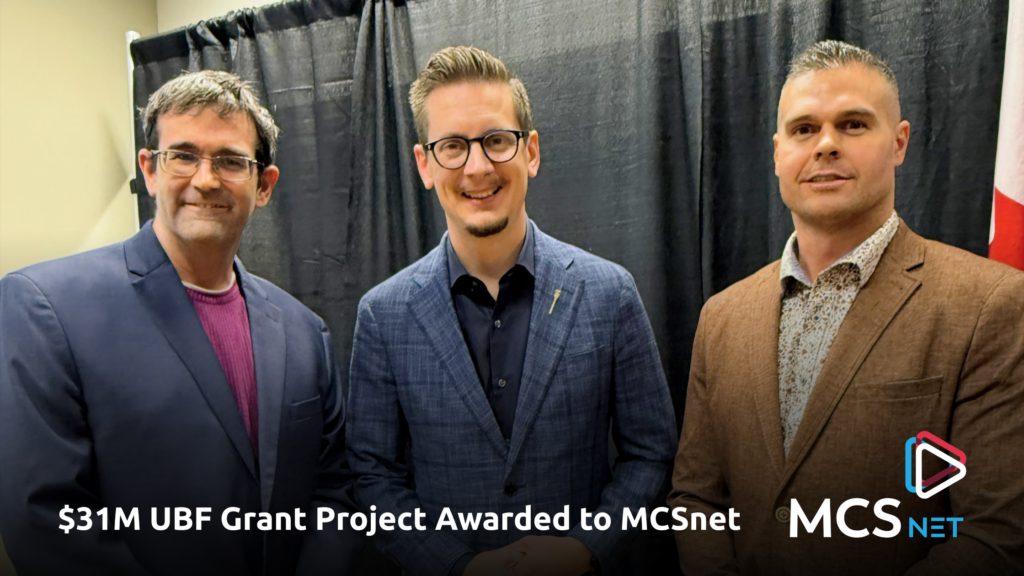
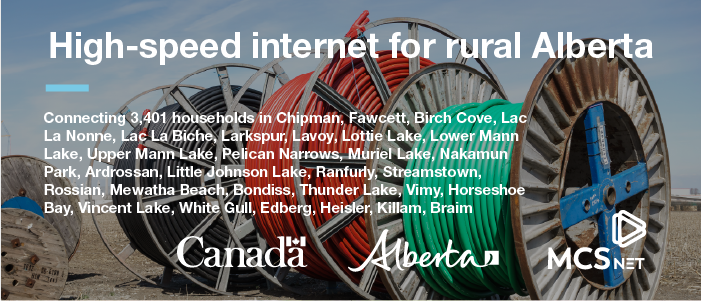
MCSnet is fortunate to receive funding from the Universal Broadband Fund (UBF) and Alberta Broadband Fund (ABF) to serve another 3,401 homes and businesses with fiber optics — a total project cost of over $31 M.
The official announcement was made on January 30, 2026 at the Ardrossan Recreation Centre with the Honourable Buckley Belanger, Secretary of State for Rural Development, together with the Honourable Nate Glubish, Minister of Technology and Innovation of Alberta.
The Communities within the MCSnet service area to benefit are: Chipman, Fawcett, Birch Cove, Lac La Nonne, Lac La Biche (Lakeview Estates, Greenbank Estates, Sunset Bay), Larkspur, Lavoy, Lottie Lake, Lower Mann Lake, Upper Mann Lake, Pelican Narrows, Bonnyville Beach (and other select areas of Moose Lake), Muriel Lake, Nakamun Park, Ardrossan (Gun Mannor and Pleasant View), Little Johnson Lake, Ranfurly, Streamstown (Silver Willow and Ravine View), Rossian, Mewatha Beach, Bondiss, Thunder Lake, Vimy, Horseshoe Bay, Vincent Lake, White Gull, Edberg, Heisler, Killam, and Braim.
As a company rooted in St. Paul, AB, we have a personal stake in seeing our neighbors succeed. This funding isn’t just a line item on a balance sheet—it’s a catalyst that deepens our commitment to the communities we call home. We are invested in this province, and we’re excited to continue building the infrastructure that keeps rural Alberta connected.” – Jerome VanBrabant, Chief Projects Officer, MCSnet
Preliminary meetings between the municipalities being served and MCSnet have been taking place over the past few months for design and planning purposes. Mainline fiber construction began along Highway 13 in the summer of 2025, and within the MD of Bonnyville, late 2025. Projects must be completed by March, 2027.
Information letters regarding Fiber-to-the-Home (FTTH) services are currently being mailed to notify eligible property owners. Additional details about this process can be found on the MCSnet website.
MCSnet made the application to the Alberta Broadband Fund/Universal Broadband Fund in late 2024 for any areas that the department of Innovation, Science and Economic Development Canada (ISED) deemed eligible. Many of the locations are lake properties that are difficult to serve wirelessly because of the trees and terrain.
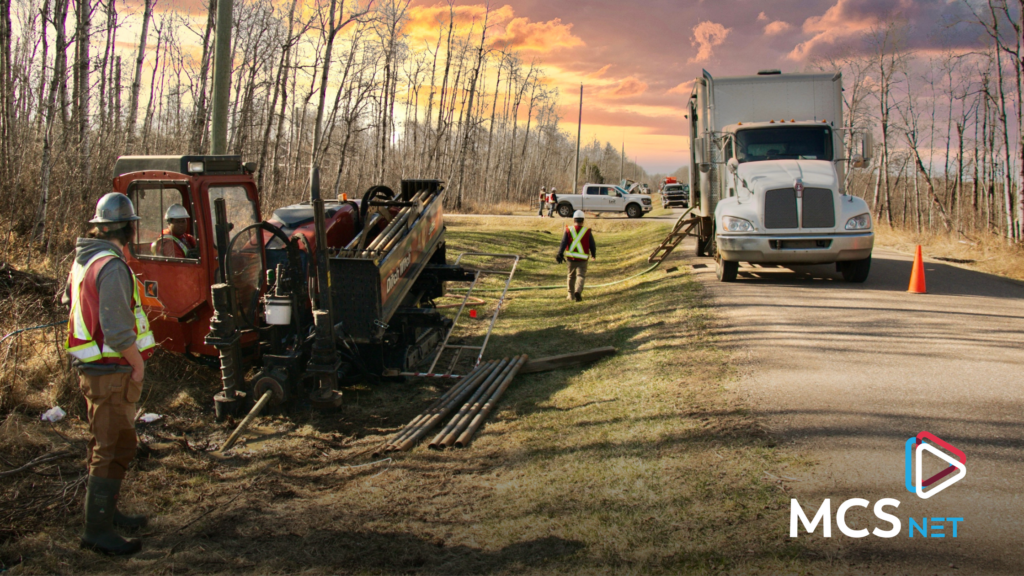
Since 2012, MCSnet has successfully secured six grant applications, with these previous projects enabling the local, family-owned company to bring high-speed internet to rural and remote communities in Northeastern Alberta and parts of Saskatchewan. The company’s success in these applications is due to its efficiency in completing projects and its innovative use of the latest technology to deliver internet services.
To date, MCSnet has received over $34 M in grant funding and has invested $27 M of its own funds as part of these grant programs to improve internet speeds for over 36,000 homes and businesses in Northeastern Alberta.
MCSnet started delivering Fiber-to-the-Home services in Mallaig, Fort Kent, and Cherry Grove in 2019. It has also completed a project in the Hamlet of Thorhild and it is currently finishing its Fiber-to-the-Home project in the MD of Bonnyville that was announced in 2024.
Associated Links
- Government of Canada Announces Recipients for UBF
- Government of Canada Press Release
- 2024 MCSnet UBF Announcement
- Thorhild and MD of Bonnyville FTTH UBF Announcement
- Universal Broadband Fund Webpage
- High-speed internet for all Canadians
For Media Inquiries:
Rhonda Lafrance
Chief Marketing Officer, MCSnet
1-866-390-3928
rhonda@corp.mcsnet.ca
The post MCSnet Receives UBF Funding for Over 30 Fiber Communities appeared first on MCSnet.
]]>Are you a sports lover and looking to watch and enjoy some elite sporting events this February? Then you are about to be thrilled! There are 2 major sporting events coming this February: The Milano Cortina 2026 Winter Olympics and the Super Bowl LX. The Milano Cortina 2026 Winter Olympics run from February 6–22, 2026, […]
The post How to Stream the 2026 Winter Olympics & Super Bowl Without Buffering appeared first on MCSnet.
]]>
Are you a sports lover and looking to watch and enjoy some elite sporting events this February? Then you are about to be thrilled! There are 2 major sporting events coming this February: The Milano Cortina 2026 Winter Olympics and the Super Bowl LX.
The Milano Cortina 2026 Winter Olympics run from February 6–22, 2026, across northern Italy. Expect packed schedules in hockey, curling, figure skating, speed skating, skiing and more. Super Bowl LX kicks off on February 8, 2026 at Levi’s Stadium in Santa Clara. It is one of the biggest single sports broadcasts of the year and sits right in the middle of the Winter Games.
With both events coming in the same month, it makes February a true streaming stress test for your home internet. Find our simple tips to get your setup ready, see where to watch in Canada, and how to find Team Canada schedules fast.
Tips to Stream Without Buffering
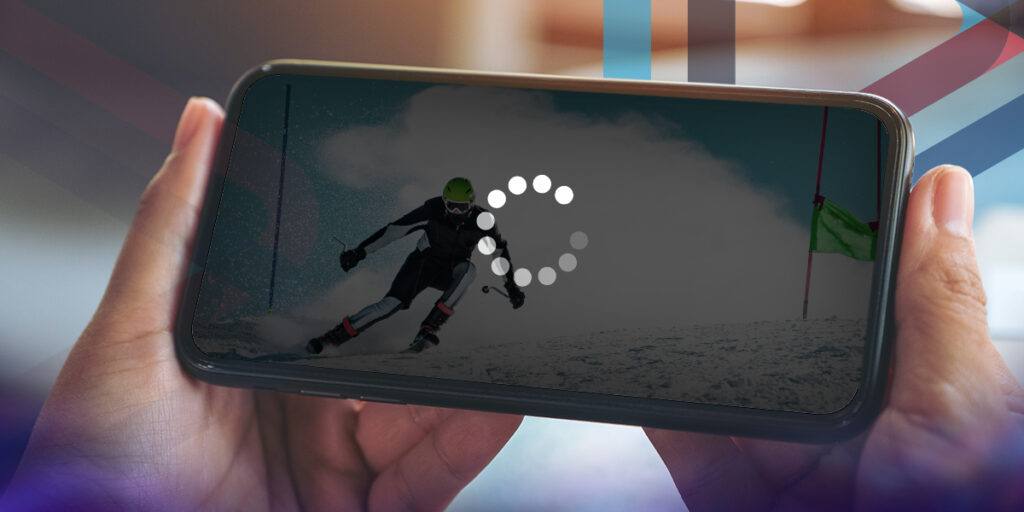
The best way to stay on top of all the games and sporting events this February is through streaming. However, an experience that is meant to be seamless and enjoyable can become frustrating when your streaming experience is interrupted by constant buffering. Here are quick tips to prepare for buffer-free streaming.
Check your speed and capacity
- For one 4K stream, aim for at least 20–25 Mbps download. Add the same amount again for each extra 4K screen in use.
- For HD (1080p) streams, 5–10 Mbps per stream is fine.
Upgrade strategically
- If you are near your cap or running several TVs, consider upgrading to Unlimited data to avoid throttling or overage stress.
- If multiple people stream at once or you host watch parties, move up a speed tier for February, then reassess later.
Get the MCSnet Unlimited Plan at no extra cost
- If you are looking to upgrade this February, you are in luck as MCSnet is currently running a promo, offering current users to upgrade to unlimited for free until February 28; and new users an unlimited package for 3 months at just $49.95. Learn about the MCSnet Unlimited Connections Promo here.
Use ethernet for the main screen – if necessary
- Plug your primary TV or streaming box into the router with an Ethernet cable if your Wi-Fi is unreliable. It bypasses Wi-Fi congestion and stabilizes bitrates during peak hours.
Fix your Wi-Fi layout
- Place the router out in the open, high on a shelf, away from metal and microwaves.
- Large homes or shops benefit from a mesh system. Put a node near the TV room.
Prepare your apps and reduce local interference
- Update the streaming apps ahead of time. Sign in, set your preferred resolution, and test a live event the day before.
- Pause big downloads, cloud backups and game updates during live events, especially if others in the house are online.
- If you notice stuttering, drop your stream quality from 4K to 1080p. The picture is still crisp, but it uses less than half the bandwidth, freeing up space for the rest of the family.
Team Canada Schedules For The 2026 Winter Olympics, and How to Find Them Fast
Schedules change as qualification rounds settle. To stay updated on the schedule for Team Canada and other teams you may have your eyes on, use these official pages and add events to your calendar.
Many events in Italy run from morning to late evening local time, which means early mornings and midday slots in Alberta.
- Official Milano Cortina 2026 schedule – with daily time grids and sport specific sections.
- Team Canada schedule hub maintained by the Canadian Olympic Committee with event times and medal sessions.
- Ice hockey schedule (Olympics.com). These pages list Canada’s games once finalized and are updated throughout the tournament.
- Hockey Canada schedule for the men’s tournament, with add-to-calendar tools and game times. A women’s section posts separately when available.
The 2026 Winter Olympics Events That Most Canadians Will be Watching
- Men’s and women’s ice hockey group play, quarterfinals, semifinals and medal games.
- Curling team and mixed doubles finals.
- Figure skating team event and singles/ice dance finals.
- Long track and short track speed skating medal sessions
Where to Watch in Canada
Where to watch the Winter Olympics 2026 in Canada
- CBC/Radio-Canada holds Canadian broadcast and streaming rights for the Olympic Games through 2032.
- Expect coverage on CBC Television, CBC Gem and CBC Sports digital platforms in English, and Radio-Canada and ICI TOU.TV in French.
Where to watch Super Bowl LX in Canada
- In Canada the Super Bowl is typically available on CTV, TSN and RDS, with additional streaming options confirmed each season. This year, you can stream on the DAZN app.

How MCSnet Can Help You Enjoy Your Streaming Buffer-Free
The Olympics run for more than two weeks with multiple simultaneous streams, and Super Bowl Sunday spikes traffic at the same time. More devices stay active and people watch in higher resolutions.
Make every game a smooth streaming experience with MCSnet. Get the right speed for your home, unlimited options for heavy streaming, and smarter Wi-Fi router setups that keep every screen steady.
Ready for buffer-free streaming?
Sources for Further Reading
- IOC and Olympics.com – Milano Cortina 2026 overview and schedule.
- Team Canada 2026 schedule hub.
- Hockey Canada – men’s Olympic hockey schedule.
- Levi’s Stadium – Super Bowl LX date and venue
- CBC/Radio-Canada and IOC – Canadian Olympic rights through 2032.
The post How to Stream the 2026 Winter Olympics & Super Bowl Without Buffering appeared first on MCSnet.
]]>Is high-speed internet finally coming to my rural home? If you live in rural Alberta, you’ve likely asked this question for years. You’ve seen the press releases and heard the promises, often while watching a “buffering” wheel spin on your screen. But 2026 is different. This is the year the rubber meets the road—or rather, […]
The post Connecting the Countryside: What the 2026 Connectivity Targets Mean for Rural Alberta appeared first on MCSnet.
]]>
Is high-speed internet finally coming to my rural home?
If you live in rural Alberta, you’ve likely asked this question for years. You’ve seen the press releases and heard the promises, often while watching a “buffering” wheel spin on your screen.
But 2026 is different. This is the year the rubber meets the road—or rather, the year the fiber meets the tower.
The Government of Canada has set a hard target: to connect 98% of Canadians to high-speed internet by 2026. For those of us outside the city limits, this isn’t just a policy goal; it’s a lifeline. But what does “high-speed” actually mean in 2026, and how is MCSnet making sure your community isn’t part of the 2% left behind?
Here is your progress report on rural connectivity.
The “98%” Promise: A New Standard
For a long time, “high-speed” was a vague term. However, ten years ago, a specific definition was created: 50 Mbps download and 10 Mbps upload (often called “50/10 speeds”).
In 2026, this is the absolute minimum standard for modern life. It’s what you need to run a Zoom call without freezing, stream Netflix in HD, or upload agricultural data to the cloud. The federal government’s Universal Broadband Fund (UBF) was created to help ISPs like us hit this target.
At MCSnet, we believe that aiming for the “minimum” isn’t enough for Alberta. While the government targets 50 Mbps, we are building networks capable of up to 940 Mbps (1 Gigabit).
Why? Because technology doesn’t stand still. The internet you need for today’s 4K streaming is different from what you’ll need for tomorrow’s precision farming or telehealth services. We aren’t just building for 2026; we’re building for 2036.
How We Are Getting There: It’s Not Just Cables in the Ground
The biggest challenge in rural Alberta is geography. Trenching fiber-optic cables to every single acreage and farmhouse is incredibly expensive and slow—especially when the ground is frozen for half the year.
If we relied only on buried fiber, many of you would still be waiting in 2030 and beyond.
That’s why MCSnet pioneered GigAir. Think of it as “fiber through the air.”
- How it works: We run high-capacity fiber lines or licensed, wireless links to our towers (that’s the “backbone”). Then, using advanced GigAir and other high-speed, wireless technology, we beam that signal wirelessly to a small receiver on your home or business.
- The Result: You get fiber-like speeds (up to 940 Mbps) without anyone having to dig up your driveway.
This technology allows us to deploy faster and reach further than traditional, large telcos.
Boots on the Ground: Progress in Your Community
We don’t just talk about expansion; we’re out there doing it. Over the past 5 years, we’ve aggressively expanded our network thanks to our own private investment and partnerships with the Universal Broadband Fund.
- Innovation in Mind: We have not only launched GigAir in over 80 towns, villages, and hamlets, we are now launching super fast speeds across the countryside with the goal of upgrading the majority of our towers by the end of 2026.
- Community Spotlights: We are currently lighting up high-speed zones in communities like Ardrossan, Barrhead, Bon Accord, Bonnyville, Cold Lake, Gibbons, Lac La Biche, Lloydminster, Morinville, Redwater, St. Paul, Vermilion, Vegreville, Wainwright, Westlock, and Wetaskiwin. These also include the rural municipalities surrounding these communities.
- Investing in Home: To date, MCSnet has secured millions in funding that goes directly into hardware and infrastructure for our service area—not Calgary or Edmonton.
Beyond 2026: Why Speed Matters
Why do we push for Gigabit speeds when the government only asks for 50 Mbps? Because rural Alberta deserves the same opportunities as the big cities.
- For the Economy: It allows local businesses to compete globally and farmers to use autonomous machinery.
- For Families: It means your kids can game online with their friends without lagging, and you can video chat with the grandkids in crystal clear quality.
- For Safety: It ensures reliable access to emergency alerts and telehealth appointments, allowing seniors to age in place comfortably.
Check Your Tech
If you haven’t checked your internet options in the last six months, you might be surprised by what’s available. Thousands of homes that were previously in “dead zones” or stuck on slow legacy plans are now eligible for GigAir and other high-speed fixed wireless technology.
Don’t settle for slow. Check your address today.
The post Connecting the Countryside: What the 2026 Connectivity Targets Mean for Rural Alberta appeared first on MCSnet.
]]>In our corner of the world, winter isn’t just a season—it’s a lifestyle. From -40°C cold snaps to blizzards that bury the driveway, living in rural Alberta and Saskatchewan requires toughness. It also requires reliable equipment. We often winterize our vehicles and our homes, but have you ever thought about “winterizing” your expectation of the […]
The post The Big Chill: How Winter Weather Affects Your Internet (And How We Beat It) appeared first on MCSnet.
]]>
In our corner of the world, winter isn’t just a season—it’s a lifestyle. From -40°C cold snaps to blizzards that bury the driveway, living in rural Alberta and Saskatchewan requires toughness. It also requires reliable equipment.
We often winterize our vehicles and our homes, but have you ever thought about “winterizing” your expectation of the internet? As the temperature drops, we know that staying connected becomes even more critical—whether it’s for remote work, emergency updates, or just streaming a movie while the wind howls outside.
At MCSnet, we get asked a lot: “Does the cold affect my internet speed?” The short answer is: It can. But the good news is that we’ve built our network specifically to handle it.
The Science: How Cold Weather Impacts the Internet
Technically, radio waves and fiber optic light signals don’t mind the cold. They travel just as fast at -30°C as they do at +30°C. However, the environment that the cold creates is a different story.
Here is what is actually happening when winter weather messes with a signal:
1. Ice and Snow Buildup (The “Snowman” Effect) For Fixed Wireless internet, the biggest enemy isn’t the temperature—it’s the obstruction.
- The Problem: Heavy, wet snow or thick rime ice can accumulate on the radio on your roof or the tower itself. This creates a physical barrier that the signal has to push through, which can lead to “packet loss” (data getting lost in transit) or slower speeds.
- The Result: You might notice videos buffering or webpages taking a moment longer to load during a heavy blizzard.
2. Hardware Fatigue Extreme cold can make materials brittle. Standard cables can stiffen and crack, and cheaper electronics can struggle to boot up.
- The Problem: If moisture gets inside a cable connector and then freezes, it expands. This “ice crush” can damage delicate internal wiring or fiber strands.
3. Power Fluctuations Often, when the internet goes down in a storm, it’s actually a power issue. Blips in the electrical grid can knock towers offline or reset your home router, causing temporary outages.
Read our blog article: How Does Weather Affect Your Internet to learn more about how weather affects the internet more broadly.
How MCSnet Keeps You Connected in the Cold
We don’t just work here; we live here. We know that standard “off-the-shelf” solutions often fail when the Prairie winter hits. Here is how MCSnet ensures your connection holds up when the mercury drops:
1. Winter-Hardened Infrastructure
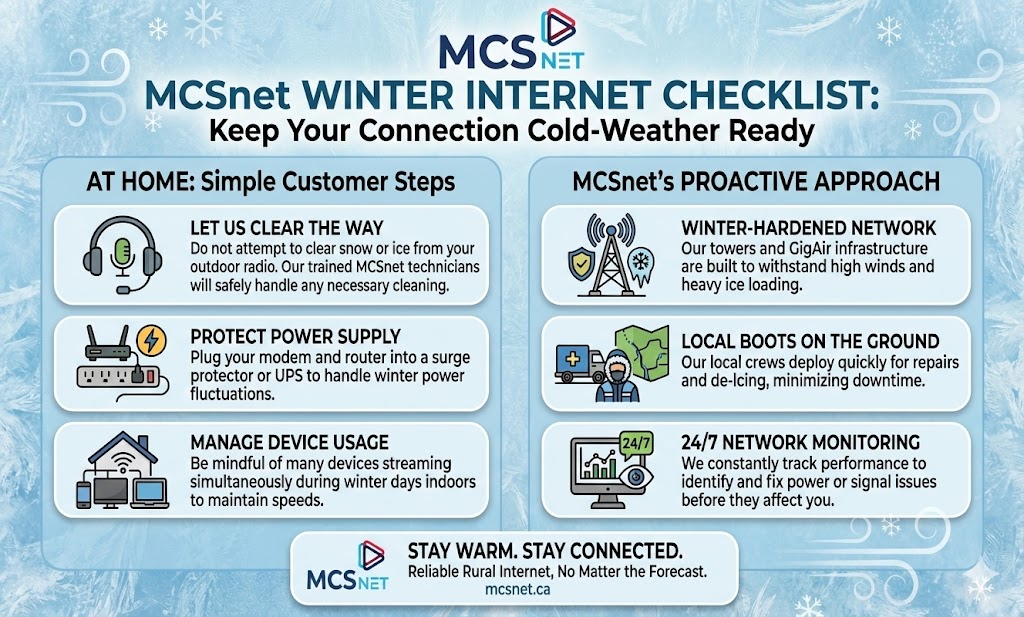
We build our towers and equipment to withstand high winds and ice loading. Our network of fiber optics, towers, and high-speed radios are designed with redundancy in mind.
2. Local Boots on the Ground
This is our biggest advantage. When a massive storm rolls through, national providers often have to dispatch technicians from major cities, leading to days of wait time.
- The MCSnet Difference: Our teams are local. We are in your communities. If a tower needs de-icing or a repair, we can deploy our crews faster because we are already neighbors.
3. Proactive Monitoring
We monitor our network 24/7. We can often see if a specific tower is struggling with power or signal strength before you even call us. Our team works tirelessly—often in freezing conditions—to swap out batteries, clear ice, and keep the data flowing.
Customer Tips: How to “Winterize” Your Connection
Check Your Line of Sight: If safe to do so, take a look at the radio on your roof. Is it buried in a snowdrift or covered in a thick layer of ice? Give MCSnet a call to safely handle any necessary clearing of snow or radio realignment.
Protect Your Power: Since power bumps are common in winter, plug your router into a surge protector or a small UPS (Uninterruptible Power Supply). This keeps your Wi-Fi alive even if the power blinks for a second.
Mind the “Holiday Jam”: Winter often means more people are home, and more devices are connected (plus holiday lights can sometimes interfere with indoor Wi-Fi signals!). If speeds feel slow, check how many devices are streaming 4K video at once.
- Place the router in a central, elevated location, away from fridges, ovens or metal surfaces that could block the signal.
- Consider upgrading your router. If you are an MCSnet user and have not upgraded your router, learn more about how to rent a new router and enjoy 3 months free, while it lasts.
- Troubleshoot your router if slow internet persists. For guides on troubleshooting your router, read our blog: Troubleshooting Your Internet Connection: A Helpful Guide for Rural MCSnet Users.
- Use wired Ethernet for high-priority devices (like workstations or streaming boxes) when possible. Wi-Fi is more vulnerable to interference issues.
For day-to-day weather conditions, most customers won’t notice any change in performance. During severe storms, brief disruptions can happen, but proper equipment care (surge protection, secure mounting, weather-rated gear) keeps things stable.
MCSnet is Built for Rural Alberta
Because we live and work in the countryside, we build for the rural Alberta weather. Our network is engineered for resilience and able to give you consistent high speed during winter weather in rural Alberta and areas with MCSnet coverage. If your internet speed or signal is affected, our local team moves fast, typically within one business day.
Explore MCSnet plans designed for reliability and fewer interruptions.
The post The Big Chill: How Winter Weather Affects Your Internet (And How We Beat It) appeared first on MCSnet.
]]>Choosing rural internet for your home or business is easier when you match your activities to the speed, upload and reliability you actually need. This guide explains the requirements for streaming, gaming, work from home, and small business, then helps you map those needs to the MCSnet plan options available across rural Alberta. What counts […]
The post 2026 Internet Buyer’s Guide for Rural Alberta: Best Speeds, Plans, & All You Need to Know appeared first on MCSnet.
]]>
Choosing rural internet for your home or business is easier when you match your activities to the speed, upload and reliability you actually need. This guide explains the requirements for streaming, gaming, work from home, and small business, then helps you map those needs to the MCSnet plan options available across rural Alberta.
What counts as “good internet” in Canada?
Canada’s regulator sets a universal objective of at least 50 Mbps download, 10 Mbps upload and access to unlimited data for all Canadians, including rural communities. Think of this as the baseline for multi-user homes that stream, video call and back up photos.
How much internet speed do you need for common activities?
Use these conservative targets to size your plan. If you do several at once, add them up and leave headroom.
| Activity | Recommended download | Recommended upload | Notes |
| Email, web, social | 5–10 Mbps | 1–2 Mbps | Fine on entry tiers. |
| HD streaming (1080p) | 5–10 Mbps | 1–2 Mbps | Per stream. Netflix says 5 Mbps for FHD. |
| 4K streaming | 20–25 Mbps | 2–5 Mbps | Per stream. Netflix minimum 15 Mbps; we suggest more headroom. |
| Zoom 1:1 video | 3–4 Mbps | 3–4 Mbps | 1080p up to ~3.8 up / 3.0 down. |
| Zoom group call | 4–5 Mbps | 4–5 Mbps | Higher with gallery view. |
| Microsoft Teams video | 4–6 Mbps | 4–6 Mbps | Microsoft plans up to 1080p. |
| Online gaming (client) | 10–25 Mbps | 2–5 Mbps | Latency matters more than speed. Target <50 ms if possible. |
| Cloud gaming | 25–45 Mbps | 5–10 Mbps | 25 Mbps for 1080p 60 fps, 40–45 Mbps for 4K. |
| Live streaming to YouTube/Twitch | 10–20 Mbps | 10–20 Mbps | 1080p 60 fps often needs 8–12 Mbps upload. Keep 2x headroom. |
| Small business POS + cloud apps | 50–100 Mbps | 10–20 Mbps | Add more if multiple cameras or frequent uploads. |
Why the extra headroom? Real homes multitask. Speeds vary by Wi-Fi, device and time of day, so a buffer prevents congestion.
Quick selectors: pick the profile that fits
1) Basic use at home
Email, browsing, a single HD stream and casual video calls.
- Target: 50/10 with unlimited data if budget allows.
- Why: Meets the national objective and leaves room for guests.
2) Entertainment home
Multiple TVs, 4K streaming, smart devices, occasional gaming.
- Target: 100–300 Mbps down, 10–25 Mbps up, unlimited data.
- Tip: Use Ethernet or a mesh system to feed 4K TVs.
3) Gaming and live streaming
Competitive gaming, Discord, occasional Twitch or YouTube Live.
- Target: 150–500 Mbps down, 20+ Mbps up, low latency.
- Tip: Fixed wireless or fiber with stable latency beats raw download for gameplay. For streaming, upload is king.
4) Work from home
Daily Teams or Zoom, large file sync, backups.
- Target: 100–300 Mbps down, 20–50 Mbps up, unlimited data.
- Tip: Wired your main workstation and keep a second SSID for guests.
5) Small business
POS, cloud accounting, cameras, multiple workstations.
- Target: 100–300 Mbps down, 25–50 Mbps up, static IP if needed.
- Tip: Separate guest Wi-Fi and enable QoS for POS and calls.
What to consider before you subscribe to any ISP in rural Alberta
- Primary activities: List what you do most. Streaming in 4K, nightly gaming or daily video meetings change your needs.
- Number of concurrent users and devices: Households can easily run 10–20 devices. Add capacity if several are active.
- Upload matters: Backups, file sharing, video calls and streaming are upload-heavy. Size accordingly.
- Latency and reliability: For gaming and calls, a steady 40–60 ms feels better than a spiky 20–120 ms. Technology and local network design affect this.
- Data policy: If you stream in 4K or use cloud gaming, unlimited data prevents overage surprises.
- Home Wi-Fi design: Router placement, Ethernet to TVs and a mesh for large homes can double real-world performance.
- High Speed and Local Support: Consider that the provider has a reputation of reliability, high speed, responsive customer support and has local presence.
Matching needs to MCSnet plan options
MCSnet offers capped and unlimited plans across several technologies and customer categories – Residential or Business. Availability varies by address, so check your location first.
MCSnet delivers both Capped and Unlimited internet plan using:
- Fiber to the Home where available for the fastest and most stable experience.
- GigAir to deliver fiber-class speeds wirelessly with quick install in select communities.
- Fixed Wireless across wide rural zones, sized for everyday streaming, calls and gaming.
Plan guidance by profile
- Basic home: choose an entry capped or Unlimited plan around 50/10 or higher.
- Entertainment home: step up to Unlimited for 4K and multiple TVs.
- Gaming or creator: prioritize Unlimited and higher upload tiers.
- Work from home: capped or Unlimited plan with a good Wi-Fi setup.
- Small/Medium business: Explore Business Internet plans, including options with static IPs and dedicated links.
Check availability at your address and view plan options.
Learn more practical steps for choosing a home plan: Home Internet Plan Comparison: Finding the Best Home Internet Service for Rural Alberta
Frequently Asked Questions
- What is the minimum speed for a typical rural family?
Aim for 50/10 with unlimited data if budget allows. It comfortably supports HD streaming, schoolwork and routine video calls.
- How much speed do I need for 4K streaming on one TV?
Netflix lists 15 Mbps minimum for 4K. We recommend 20–25 Mbps per 4K stream for smoother performance and to leave room for other devices.
- Is upload speed important for gaming and video calls?
Yes. Online gaming needs stable latency and a few Mbps up, while Zoom 1080p can use about 3 Mbps up. Live streaming to YouTube or Twitch at 1080p often needs 8–12 Mbps up with headroom.
- What about cloud gaming like GeForce NOW?
Budget 25 Mbps for 1080p 60 fps and 40–45 Mbps for 4K. A wired connection is recommended.
- Do I really need unlimited data?
If you use 4K streaming, cloud backups, or have multiple heavy users, unlimited avoids surprises. A single 4K movie can consume many gigabytes.
- Which MCSnet technology should I pick?
Choose Fiber where available, GigAir where in range, otherwise Fixed Wireless. Use Check Availability to see the best option for your address.
References
- CRTC: Canada’s universal service objective and Broadband Fund details, including 50/10 with unlimited data.
- FCC: Consumer broadband speed guide for common activities.
- Netflix: Recommended speeds for HD and 4K streaming.
- Zoom: 720p and 1080p bandwidth requirements.
- Microsoft Teams: Network preparation and bandwidth guidance.
- YouTube Live: Encoder bitrates for 1080p and 4K live streaming.
- Twitch: Broadcasting and bitrate considerations for Full HD streams.
- NVIDIA GeForce NOW: Cloud gaming internet requirements.
The post 2026 Internet Buyer’s Guide for Rural Alberta: Best Speeds, Plans, & All You Need to Know appeared first on MCSnet.
]]>What began with a simple idea and a makeshift antenna made from a Pringles can in 1995 has blossomed into one of Canada’s most trusted rural internet providers. This year, MCSnet proudly marked its 30th Anniversary, celebrating three decades of connecting homes, businesses, and communities across Alberta and parts of Saskatchewan. The celebrations weren’t just […]
The post 30 Years Strong: How MCSnet Celebrated a Milestone Anniversary in Rural Alberta appeared first on MCSnet.
]]>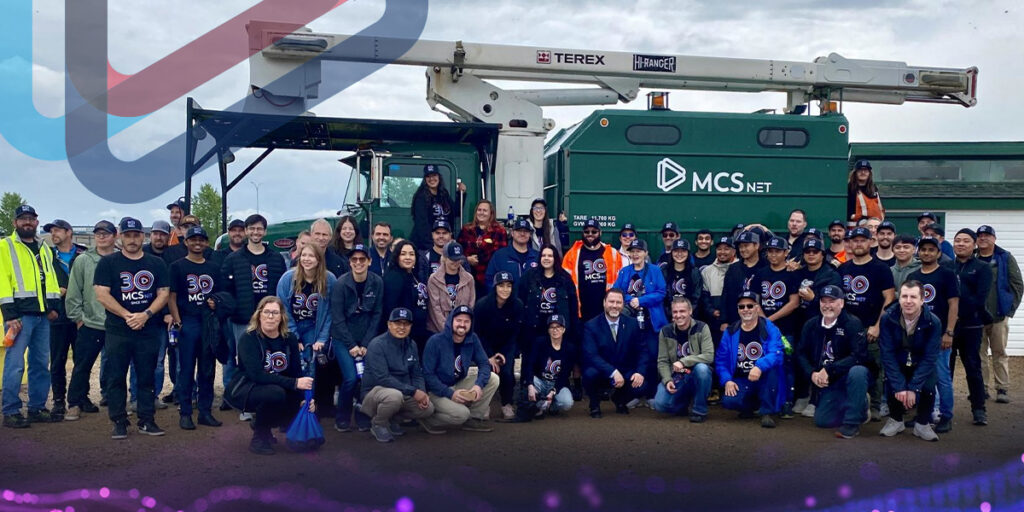
What began with a simple idea and a makeshift antenna made from a Pringles can in 1995 has blossomed into one of Canada’s most trusted rural internet providers. This year, MCSnet proudly marked its 30th Anniversary, celebrating three decades of connecting homes, businesses, and communities across Alberta and parts of Saskatchewan.
The celebrations weren’t just about a company milestone; they were a heartfelt thank you to the customers, communities, and dedicated staff who helped a local dream become a technological success story. Here’s a look at the ways MCSnet celebrated its momentous 30th year.
Community Celebration Party
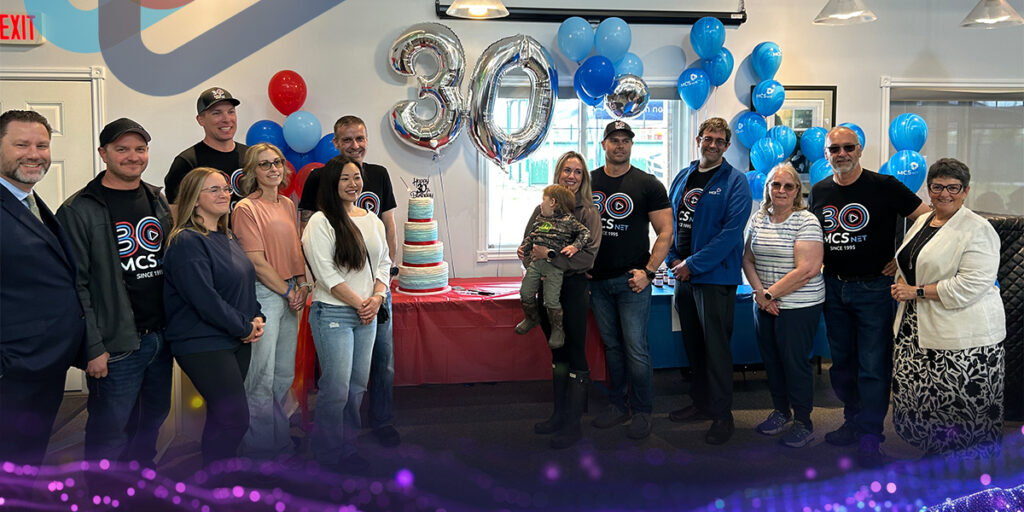
The highlight of the anniversary year was a special community celebration held on June 19 in the company’s hometown of St. Paul, Alberta. The event was a chance for MCSnet to gather with the community that has supported it from the very beginning.
- Location: The Reunion Station in St. Paul.
- Festivities: The party featured live music from the band Second Son, delicious food from the Stems & Flappers food truck, cake from Twisted Fork, and numerous prizes and giveaways.
- Reflecting on the Past: The celebration included a short program where founder, Leo VanBrabant, and local dignitaries like Bonnyville-Cold Lake-St. Paul MLA Scott Cyr and Town of St. Paul Mayor Maureen Miller, spoke about the company’s history, its values, and its profound impact on bringing digital access to rural Albertans.
Exclusive Contests and Giveaways
To involve and reward the wider customer base that spans thousands of homes and businesses, MCSnet launched a dedicated 30th Anniversary Contests & Giveaways promotion.
- How to Enter: Customers and non-customers were invited to participate in online contests and the Golden Ticket Prize of a Free Year of Internet, which is still open to entries until December 28, 2025 at midnight with the winner to be selected Monday, December 29 during a Facebook Live.
- Online Engagement: We encouraged engagement by offering discounts to new and existing customers and those who participated on social media through liking, sharing, and engaging in posts.
- Rewarding Loyalty: This initiative was a direct way to thank the thousands of Albertans who took a chance on a small-town ISP and have relied on them for their connectivity for years.
Highlighting the “Rooted in Alberta” Story
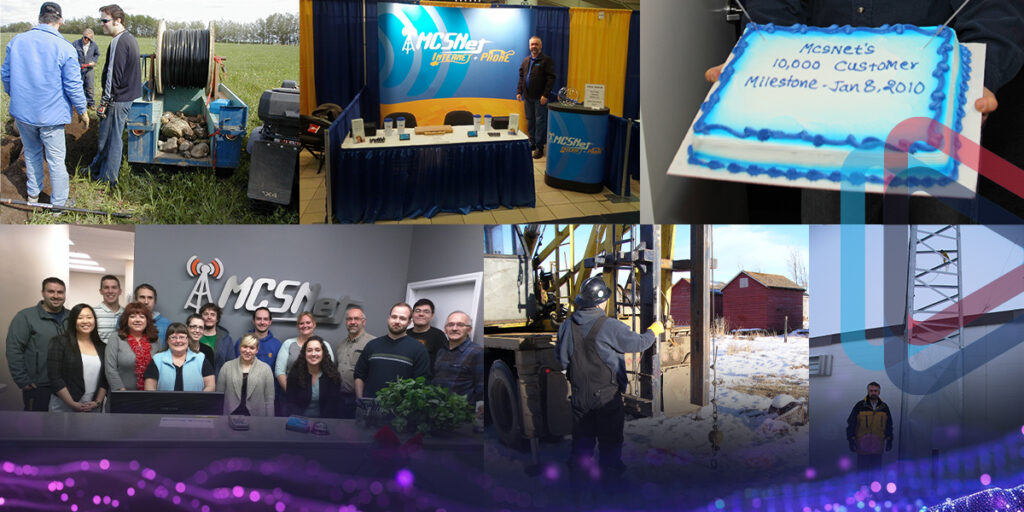
MCSnet used the anniversary as an opportunity to reflect on and share its unique journey, emphasizing its deep local roots and dedication to rural life.
- The Origin Story: We reminded everyone of its humble, innovative beginnings, going from an intrepid team of family members experimenting with an antenna fashioned from a Pringles can to a major provider with hundreds of fixed wireless towers and thousands of kilometers of buried fiber.
- Mission Unchanged: Through blog posts and communications, we reiterated that our mission remains the same: to deliver reliable, high-speed internet everywhere, maintaining the “neighbourly way of life” while connecting people to the world.
Ongoing Community Connection and Support
The anniversary year served as a platform to underscore MCSnet’s commitment to community investment, a practice it upholds year-round. The company continues to provide support through its Community Connections program, focusing on three key pillars:
- Agriculture: Sponsoring events like rodeos that celebrate the community and its agricultural traditions.
- Youth: Empowering young people through learning opportunities, like the High School Scholarship Program and support systems.
- Technology: Encouraging innovation and educating the public on technology and online safety.
The 30th anniversary cemented the message that MCSnet is more than just an internet company—it is a local team, deeply invested in the strength and future of the rural communities it serves.
The journey from a $0.50 can of chips to a multi-million dollar fiber and tower network is a testament to the fact that innovation can—and must—come from within the communities it serves.
For more information on MCSnet and the services it provides, visit our website, or follow us on our social media channels.
The post 30 Years Strong: How MCSnet Celebrated a Milestone Anniversary in Rural Alberta appeared first on MCSnet.
]]>Cybersecurity Awareness Month is all of October, and a perfect time to tighten up your defences against cyber attacks as a small business. Cybercrime isn’t just “an enterprise problem. In Canada, 1 in 6 businesses reported a cybersecurity incident in 2023, and in 2025, 73% of small businesses have experienced a cybersecurity incident. While many […]
The post Cybersecurity Guide for Small Rural Businesses appeared first on MCSnet.
]]>
Cybersecurity Awareness Month is all of October, and a perfect time to tighten up your defences against cyber attacks as a small business. Cybercrime isn’t just “an enterprise problem. In Canada, 1 in 6 businesses reported a cybersecurity incident in 2023, and in 2025, 73% of small businesses have experienced a cybersecurity incident.
While many business owners still underestimate the risk, a majority of SMEs are vulnerable to cyber attacks, and most are not prepared.
This guide pulls together resources from Canadian and Alberta Cybersecurity authorities and provides simple tips for small businesses to stay cyber safe.
Why Small Businesses are Targeted and How AI is Changing Cyber Threats
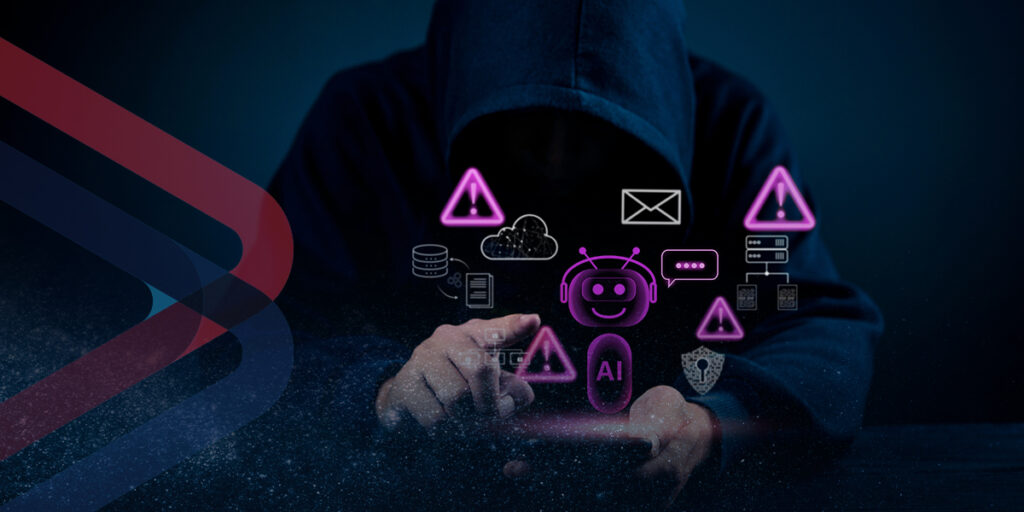
Attackers go where defences are lightest. We are seeing growing attacks and threats to small businesses because they present an easy prey. The most common threats among small firms included scams/fraud, identity theft (e.g., credential theft), phishing emails and ransomware.
Canada’s latest threat assessments flag AI-assisted phishing, deepfakes and faster malware iteration that make scams more convincing and harder to spot, particularly for organizations with limited IT capacity.
AI-enhanced cyber attacks come in various forms, including:
- AI-Generated Phishing: AI writes realistic, personalized emails or texts that mimic suppliers, banks, or colleagues to trick employees into sharing sensitive data or making payments.
- Voice & Video Deepfakes: Attackers clone a CEO’s voice or create fake video calls to authorize wire transfers or extract confidential information.
- Automated Social Engineering: AI scans the web and social media to build detailed employee profiles, helping scammers craft believable messages that sound personal.
- Credential Stuffing & Brute Force: AI automates password guessing using breached data, testing thousands of combinations per second until it finds a match.
- Adaptive Malware: AI-driven malware changes its behaviour and appearance to avoid detection by antivirus tools or security filters.
- Exploit Discovery: AI tools scan public websites and systems for vulnerabilities faster than humans can patch them, allowing rapid exploitation.
- Business Email Compromise (BEC): AI helps refine and automate fraudulent emails that impersonate executives or vendors requesting urgent payments.
- Fake Support or Chatbots: AI-powered fake support agents or chatbots mimic real companies to steal credentials or trick users into installing malware.
- Smishing and Vishing: AI-generated SMS and voice calls use natural language and personalization to convince recipients to click links or reveal info.
What You Can Do as a Small Business
According to the Canadian Centre for Cyber Security, here are some actions small businesses can take:
- Patch fast, patch everything: Turn on automatic updates for OS, browsers, and key apps. Many incidents exploit known vulnerabilities.
- Turn on MFA everywhere: Enable multi-factor authentication on email, accounting, banking, Microsoft/Google, payroll, and remote access. It blocks most account takeovers.
- Harden email & browsers: Use a modern browser with anti-tracking and safe-browsing turned on; filter inbound email for phishing and malicious attachments.
- Back up like your business depends on it: 3-2-1 rule: 3 copies, 2 different media, 1 offline/immutable. Test restores quarterly.
- Password manager and unique logins: Adopt a team password manager and kill password reuse for sensitive applications. Set role-based access and remove old accounts.
- Segment networks: Separate office PCs, POS/operational devices, guest Wi-Fi, and cameras so one compromise doesn’t spread.
- Train for AI threats: Short, recurring awareness moments: how to spot urgent payment requests, voice spoofing, and QR-code lures; teach “pause and verify.”
- Vendor and data hygiene: Inventory who has access to your systems/data. Remove stale shares; require MFA and minimum security posture for key vendors.
- Write a 1-page response plan: Who to call, how to isolate an infected device, how to switch to backups, who informs customers, and how to report. Practice it once a year.
- Connectivity hygiene: If you run multiple sites, farms, shops, or yards, standardize routers and firmware and use the same MFA policies everywhere.

Key Resources to Learn More About Cybersecurity for Small Businesses
- Get Cyber Safe – Small Business Guides
- Canadian Centre for Cyber Security Baseline Controls & “Top Measures”
- CyberSecure Canada (SMB certification and how-to).
- Alberta Small Business Resources
- National Cyber Threat Assessment 2025–26 (what’s coming next).
Where MCSnet Can Help
- Reliable, business-grade connectivity for offices, farms, shops, and remote sites.
- Router and Wi-Fi upgrades to support secure segmentation and modern standards.
- Local, priority support to help you troubleshoot connectivity issues that overlap with security
To learn more about how MCSnet can assist you with your business connectivity needs, contact one of our business advisors.
You can also visit MCSnet’s Cybersecurity Best Practices page for more information.
The post Cybersecurity Guide for Small Rural Businesses appeared first on MCSnet.
]]>At MCSnet, we believe that education is the cornerstone of a thriving community. We understand the unique challenges that students in rural areas face when pursuing higher education, and we’re dedicated to making a difference. This scholarship program is just one way we’re investing in the future of rural Alberta. Announcing the 2025 Scholarship Recipients […]
The post MCSnet High School Scholarship Program: Announcing our 2025 Recipients appeared first on MCSnet.
]]>
At MCSnet, we believe that education is the cornerstone of a thriving community. We understand the unique challenges that students in rural areas face when pursuing higher education, and we’re dedicated to making a difference. This scholarship program is just one way we’re investing in the future of rural Alberta.
Announcing the 2025 Scholarship Recipients
We’re excited to announce the four exceptional high school graduates from our rural Alberta service area who have been awarded a $1,000 scholarship! These four outstanding students exemplify the spirit of hard work, dedication, and community involvement that we value so highly. We’re confident that they will go on to achieve great things in their chosen fields and make significant contributions to our world.
Meet the Winners
- Abdulsamad Abdulsalam from St. Paul, studying Engineering at the University of Calgary.
- Jove Boorse from Elk Point, studying Electronics Engineering Technologist at NAIT.
- Lucas Vining from Cold Lake, studying Engineering at the University of Calgary.
- Ethan Noel from St. Paul, Studying Computer Science at the University of British Columbia (Okanagan Campus).

Thank You to All Applicants
We’d like to express our sincere gratitude to everyone who submitted an application to our scholarship program and helped spread the word about the program. Your efforts do not go unnoticed, and we wish you all great success in your post-secondary endeavors. To learn about the 2024 Scholarship Recipients, you can read our previous blog post.
Stay Connected
We encourage all students who will be in grade 12 during the 2025-2026 school year to apply for our 2026 scholarship. The application period will open on April 1, 2026. To be eligible for our scholarship program, you must be pursuing post-secondary education in Computer Science or related studies and reside in the MCSnet service area.
Stay Connected and follow us on Facebook, Instagram, YouTube and LinkedIn. For more information and updates visit the MCSnet scholarship page.
The post MCSnet High School Scholarship Program: Announcing our 2025 Recipients appeared first on MCSnet.
]]>